Buy kidsroom.eu ?
We are moving the project
kidsroom.eu .
Are you interested in purchasing the domain
kidsroom.eu ?
domain@kv-gmbh.de · 0541-91531010
Buy kidsroom.eu ?
How does investing in bonds differ from investing in a bank account?
Investing in bonds involves purchasing debt securities issued by governments or corporations, which pay a fixed interest rate over a specified period of time. In contrast, investing in a bank account typically involves depositing money into a savings or checking account, where it earns a variable interest rate set by the bank. Bonds generally offer higher potential returns than bank accounts, but they also carry a higher level of risk. Additionally, bonds have a maturity date, while bank accounts provide more immediate access to funds. **
Is it worth investing 129?
The worth of investing $129 depends on various factors such as your financial goals, risk tolerance, and investment horizon. If you are looking to start building a diversified investment portfolio, $129 could be a good starting point. However, it is important to research and consider the potential returns and risks associated with the investment before making a decision. Consulting with a financial advisor can also help you determine if investing $129 aligns with your overall financial plan. **

Similar search terms for Investing
Top-Angebote
Products related to Investing:
-
Think And Grow Rich by Napoleon Hill, Personal Financial Investing Paperback NewDescription:. Condition: BRAND NEW. Format: Paperback. Napoleon Hill, America's most beloved motivational author, devoted 25 years to finding out how the wealthy became that way. After interviewing over 500 of the most affluent men and women of his time, he uncovered the secret to great wealth based on the notion that if we can learn to think like the rich, we can start to behave like them. By understanding and applying the thirteen simple steps that constitute Hill's formula, you can achieve your goals, change your life and join the ranks of the rich and successful.. Title. Think And Grow Rich by Napoleon Hill, Personal Financial Investing Paperback New. Delivery. Content. Reviews99,99 £*Shipping: 0,00 £Secure redirect to the provider
-
Penguin Rule #1: The Simple Strategy for Successful Investing in Only 15 Minutes a WeekPhil Town doesn't think so. He made a fortune, and in Rule #1 he'll show you how he did it.Rule #1:- Sets out the five key numbers that really count when you're buying stocks and shares- Explains how to use new Internet tools to simplify research- Shows how to exploit the advantages of being an individual investor- Demonstrates how to pay fifty pence for every pound's worth of business6,70 £*Shipping: 2,99 £Secure redirect to the provider
-
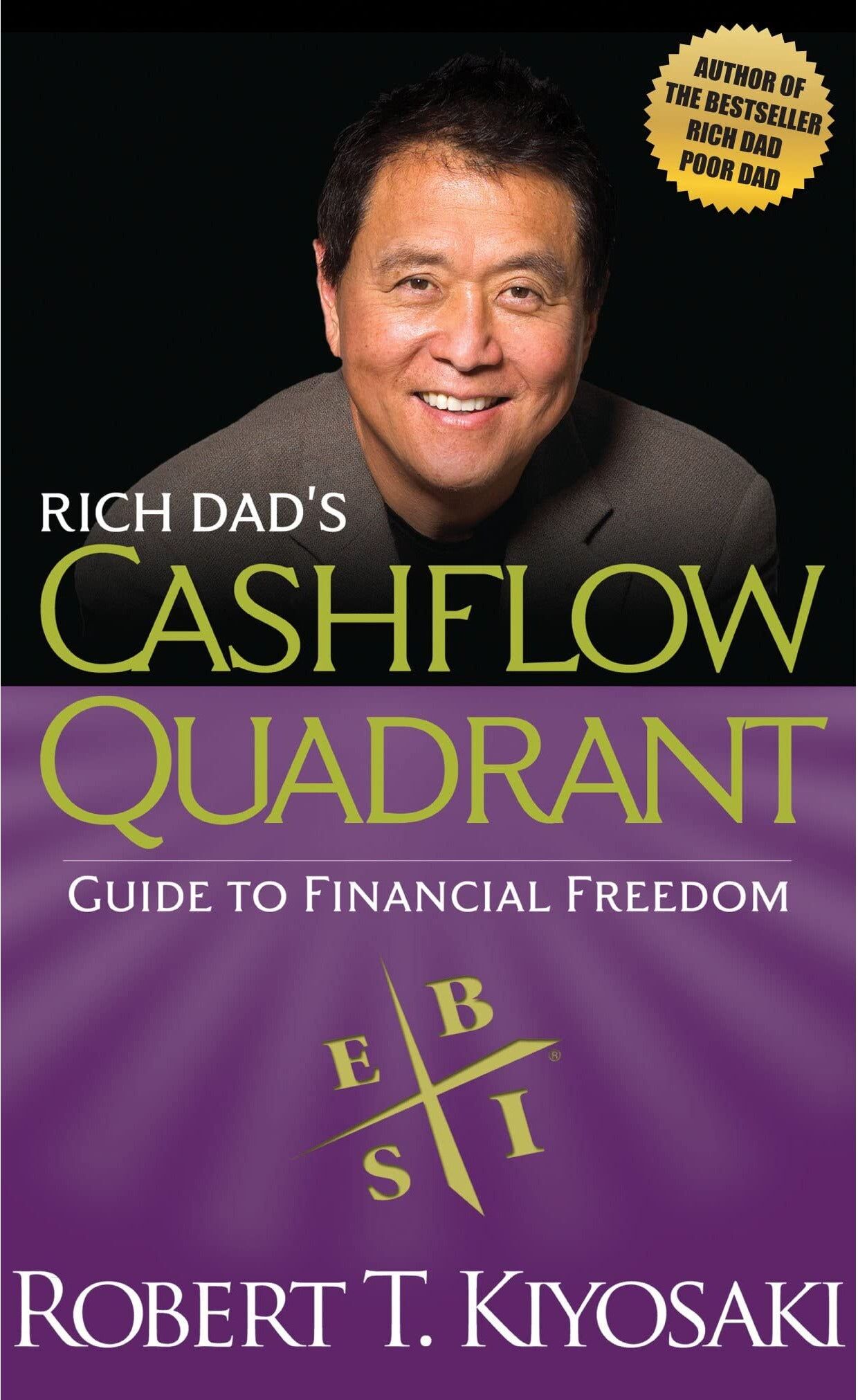
Plata Publishing Rich Dad’s Cashflow Quadrant – Robert T. Kiyosaki Guide to Financial Freedom, Investing & Wealth BuildingDiscover why some people work harder for money while others make money work for them with Rich Dad’s Cashflow Quadrant by Robert T. Kiyosaki. In this powerful follow-up to Rich Dad Poor Dad, Kiyosaki introduces the Cashflow Quadrant, a simple yet transformative framework that explains the four ways people earn income: Employee (E), Self-Employed (S), Business Owner (B), and Investor (I). The book reveals why true financial freedom is most often found on the B and I side of the quadrant. Through real-world examples and practical insights, Kiyosaki teaches readers how to shift their mindset, reduce financial risk, and build sustainable wealth through business ownership and investing. This book focuses on financial intelligence, passive income, and long-term wealth creation, rather than short-term gains. What You’ll Learn: The meaning of the Cashflow Quadrant (E, S, B, I) Why employees and self-employed people face financial limits How business owners and investors build passive income The mindset shifts required for financial independence How to move from job-based income to asset-based income Ideal for anyone serious about financial freedom, investing, and entrepreneurship, Rich Dad’s Cashflow Quadrant is a must-read personal finance classic.4,99 £*Shipping: 1,99 £Secure redirect to the provider


-
How should I start investing?
To start investing, it's important to first set clear financial goals and understand your risk tolerance. Next, educate yourself about different investment options such as stocks, bonds, mutual funds, and real estate. Consider seeking advice from a financial advisor to help you create a personalized investment plan. Start with a small amount of money that you can afford to invest and gradually increase your investments as you become more comfortable with the process. Lastly, be patient and stay informed about market trends and economic developments. **
-
Why do Germans hate investing?
Germans may have a more cautious approach to investing due to their historical experiences with economic instability, such as the hyperinflation of the 1920s and the economic hardships of the post-World War II era. This has led to a cultural aversion to risk and a preference for saving rather than investing. Additionally, the German financial system traditionally emphasizes stability and security, which may discourage people from taking on the perceived risks of investing in the stock market or other financial instruments. Finally, the strong social safety net in Germany may also contribute to a lower perceived need for investing for long-term financial security. **
-
What are questions about investing?
Questions about investing can cover a wide range of topics, including the best investment options for different financial goals, how to diversify a portfolio, the potential risks and rewards of different investment strategies, and how to assess the performance of investments over time. Additionally, questions about investing may also involve understanding the impact of economic factors, market trends, and geopolitical events on investment opportunities. Overall, questions about investing seek to help individuals make informed decisions about how to grow and manage their wealth. **
-
Is it worth investing in stocks?
Investing in stocks can be worth it for those who are willing to take on some risk in exchange for potential long-term growth. Stocks have historically provided higher returns compared to other investment options like bonds or savings accounts. However, it's important to do thorough research, diversify your investments, and be prepared for market fluctuations. It's also recommended to consult with a financial advisor to determine if investing in stocks aligns with your financial goals and risk tolerance. **


"Is my friend investing too little?"
It's important to consider your friend's financial goals and risk tolerance before determining if they are investing too little. If they have specific goals in mind, such as saving for retirement or a major purchase, they may need to invest more to reach those goals. Additionally, if they have a low risk tolerance, they may be comfortable with a smaller investment amount. It's best to have an open and honest conversation with your friend about their financial situation and goals to determine if they should consider investing more. **
Is it worth investing in ETFs?
Investing in ETFs can be worth it for many investors due to their low costs, diversification, and ease of trading. ETFs offer exposure to a wide range of assets, such as stocks, bonds, and commodities, allowing for diversification within a single investment. Additionally, ETFs typically have lower expense ratios compared to mutual funds, making them a cost-effective investment option. Furthermore, ETFs can be traded throughout the day, providing liquidity and flexibility for investors. However, it's important to carefully consider your investment goals and risk tolerance before investing in ETFs. **
Top-Angebote
Products related to Investing:
-
Plata Publishing Rich Dad's Guide to Investing: What the Rich Invest In by Robert T. Kiyosaki - Paperback Personal Finance & Investing BookRich Dad's Guide to Investing: What the Rich Invest In is Robert T. Kiyosaki's essential companion to Rich Dad Poor Dad. This book takes readers deeper into the mindset and mechanics of building real wealth, focusing on active investing and how ordinary people can adopt the habits of the wealthy to escape the paycheck cycle. At the heart of this book is a simple but powerful distinction: passive investing versus active investing. Kiyosaki argues that true financial freedom comes from becoming an engaged investor who takes control of their financial future. This paperback is a valuable resource for anyone ready to move beyond saving and into investing, whether a beginner or someone already dabbling in stocks and property. Published by Plata Publishing, this book is aimed at adults and is a great companion to Rich Dad Poor Dad.10,99 £*Shipping: 2,99 £Secure redirect to the provider
-
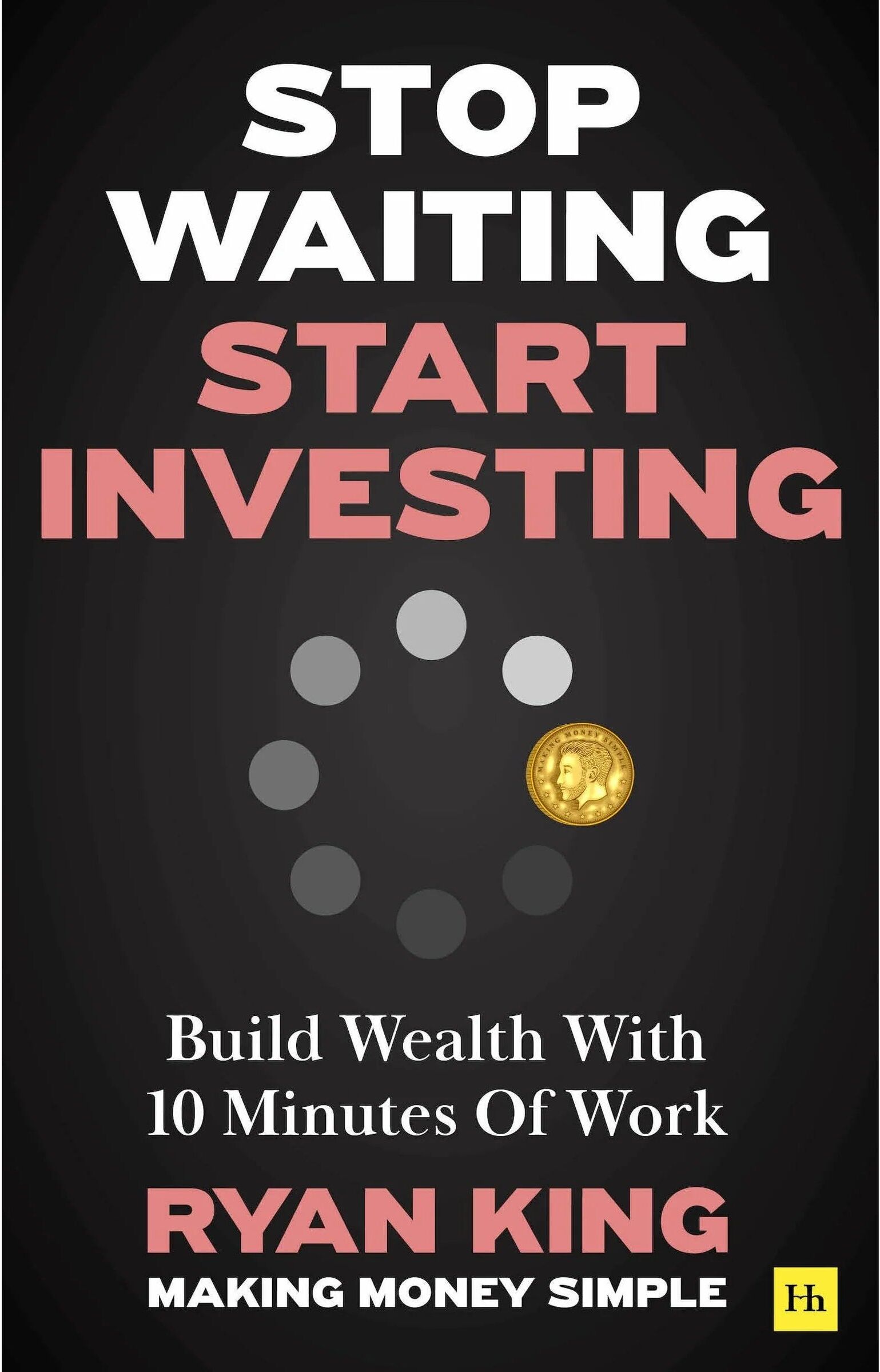
Harriman House Stop Waiting, Start Investing by Ryan King - Paperback Investing Guide - Build Wealth With 10 Minutes Of Work - Personal Finance BookBuild wealth with just 10 minutes of work a day using the stock market with this practical guide. Written by finance content creator and chartered accountant Ryan King, the book offers a simple, passive, automated approach to investing that fits around a busy life. Whether you're starting from scratch or refining an existing strategy, you'll be given the tools and confidence to take control of your financial future. This book directly addresses common hesitations about investing, guiding you step by step through the fundamentals of stock market investing in clear, accessible language. Ryan King draws on his own experience and expertise to provide a beginner-friendly guide to building long-term wealth.11,99 £*Shipping: 2,99 £Secure redirect to the provider
-
Think And Grow Rich by Napoleon Hill, Personal Financial Investing Paperback NewDescription:. Condition: BRAND NEW. Format: Paperback. Napoleon Hill, America's most beloved motivational author, devoted 25 years to finding out how the wealthy became that way. After interviewing over 500 of the most affluent men and women of his time, he uncovered the secret to great wealth based on the notion that if we can learn to think like the rich, we can start to behave like them. By understanding and applying the thirteen simple steps that constitute Hill's formula, you can achieve your goals, change your life and join the ranks of the rich and successful.. Title. Think And Grow Rich by Napoleon Hill, Personal Financial Investing Paperback New. Delivery. Content. Reviews99,99 £*Shipping: 0,00 £Secure redirect to the provider
-
Penguin Rule #1: The Simple Strategy for Successful Investing in Only 15 Minutes a WeekPhil Town doesn't think so. He made a fortune, and in Rule #1 he'll show you how he did it.Rule #1:- Sets out the five key numbers that really count when you're buying stocks and shares- Explains how to use new Internet tools to simplify research- Shows how to exploit the advantages of being an individual investor- Demonstrates how to pay fifty pence for every pound's worth of business6,70 £*Shipping: 2,99 £Secure redirect to the provider
-
How does investing in bonds differ from investing in a bank account?
Investing in bonds involves purchasing debt securities issued by governments or corporations, which pay a fixed interest rate over a specified period of time. In contrast, investing in a bank account typically involves depositing money into a savings or checking account, where it earns a variable interest rate set by the bank. Bonds generally offer higher potential returns than bank accounts, but they also carry a higher level of risk. Additionally, bonds have a maturity date, while bank accounts provide more immediate access to funds. **
-
Is it worth investing 129?
The worth of investing $129 depends on various factors such as your financial goals, risk tolerance, and investment horizon. If you are looking to start building a diversified investment portfolio, $129 could be a good starting point. However, it is important to research and consider the potential returns and risks associated with the investment before making a decision. Consulting with a financial advisor can also help you determine if investing $129 aligns with your overall financial plan. **
-
How should I start investing?
To start investing, it's important to first set clear financial goals and understand your risk tolerance. Next, educate yourself about different investment options such as stocks, bonds, mutual funds, and real estate. Consider seeking advice from a financial advisor to help you create a personalized investment plan. Start with a small amount of money that you can afford to invest and gradually increase your investments as you become more comfortable with the process. Lastly, be patient and stay informed about market trends and economic developments. **
-
Why do Germans hate investing?
Germans may have a more cautious approach to investing due to their historical experiences with economic instability, such as the hyperinflation of the 1920s and the economic hardships of the post-World War II era. This has led to a cultural aversion to risk and a preference for saving rather than investing. Additionally, the German financial system traditionally emphasizes stability and security, which may discourage people from taking on the perceived risks of investing in the stock market or other financial instruments. Finally, the strong social safety net in Germany may also contribute to a lower perceived need for investing for long-term financial security. **
Similar search terms for Investing
-
Plata Publishing Rich Dad’s Cashflow Quadrant – Robert T. Kiyosaki Guide to Financial Freedom, Investing & Wealth BuildingDiscover why some people work harder for money while others make money work for them with Rich Dad’s Cashflow Quadrant by Robert T. Kiyosaki. In this powerful follow-up to Rich Dad Poor Dad, Kiyosaki introduces the Cashflow Quadrant, a simple yet transformative framework that explains the four ways people earn income: Employee (E), Self-Employed (S), Business Owner (B), and Investor (I). The book reveals why true financial freedom is most often found on the B and I side of the quadrant. Through real-world examples and practical insights, Kiyosaki teaches readers how to shift their mindset, reduce financial risk, and build sustainable wealth through business ownership and investing. This book focuses on financial intelligence, passive income, and long-term wealth creation, rather than short-term gains. What You’ll Learn: The meaning of the Cashflow Quadrant (E, S, B, I) Why employees and self-employed people face financial limits How business owners and investors build passive income The mindset shifts required for financial independence How to move from job-based income to asset-based income Ideal for anyone serious about financial freedom, investing, and entrepreneurship, Rich Dad’s Cashflow Quadrant is a must-read personal finance classic.4,99 £*Shipping: 1,99 £Secure redirect to the provider
-
Camilla Falkenberg Girls Just Wanna Have Funds: A Feminist Guide to Investing: THE SUNDAY TIMES BESTSELLERDescription. Condition: BRAND NEW. Format: Hardback. Start your journey to financial success with Female Invest's guide for safe, smart, and sustainable investing. This is an empowering and uplifting money manifesto, aiming to change the tides of financial power.. Are you one of the 68% of women worldwide earning less than a man doing the same job? Then you need to make your money work harder, starting now.. In Girls Just Want to Have Funds, the trio of founders behind the global movement Female Invest bring you an empowering five-step guide with a straight-talking message: you don't have to be an expert or a millionaire to make money. Simply equip yourself with the easy-to-follow golden rules and tools of three finance gurus to find your confidence and open a whole new world of opportunities.. Whether you want to master the art of setting realistic goals, demystify financial jargon and markets, gain independence with a f*ck you fund, or finally get excited about your financial future, find all the answers you need and more with this comprehensive guide. Even if you only have a $1 savings fund to begin with, you too can have a rewarding, limitless life by investing in yourself and this book.. Title. Girls Just Wanna Have Funds: A Feminist Guide to Investing: THE SUNDAY TIMES BESTSELLER by Camilla Falkenberg (HB). Delivery. Content. Reviews99,99 £*Shipping: 0,00 £Secure redirect to the provider
-
The Intelligent Investor Third Edition Definitive Book on Value Investing by Benjamin Graham - Non Fiction - PaperbackTitle:. The Intelligent Investor Third Edition: The Definitive Book on Value Investing Condition: BRAND NEW. Format: Paperback 75th Anniversary Edition Overview:. The Intelligent Investor Third Edition is more than a book on stock picking—it is a disciplined blueprint for building wealth through patient, rational investing. Since its original publication in 1949, Benjamin Graham’s timeless philosophy has guided generations of readers toward safer, smarter financial decisions. This 75th Anniversary Edition preserves Graham’s clear, rigorous framework while adding a modern lens: Warren Buffett provides an introduction and appendix, underscoring the enduring relevance of Graham’s ideas, and Jason Zweig of the Wall Street Journal supplies fresh, chapter-by-chapter commentary to translate classic concepts for today’s markets. The result is a practical, readable manual that explains how to distinguish investing from speculation, how to determine intrinsic value, and how to build a margin of safety into every decision. It demystifies complex jargon, anchoring strategies in robust analysis rather than hype. Whether you’re a student, a first-time investor, or a seasoned professional seeking a reliable anchor in a volatile world, this edition equips you with a proven approach to protect capital and grow it thoughtfully over time. What Makes This Book Stand Out:. What sets The Intelligent Investor apart is its enduring principles, applied with modern clarity. Graham’s core ideas—value over price, the margin of safety, and a rigorous focus on fundamental analysis—remain as relevant as ever in fluctuating markets. This edition shines by pairing the original text with Buffett’s luminous endorsement and Zweig’s accessible commentary, which bridges historical context with contemporary practice. You’ll gain a deeper understanding of market psychology, the dangers of speculative trends, and the discipline required to stick to a proven plan. The result is not a quick tip guide but a reliable framework you can return to again and again, ensuring your investing decisions are deliberate, not reactive. The combination of authoritative authorial voice, high-profile validation, and expert translation makes this book not only informative but genuinely transformative for your portfolio and your mindset. Who This Book Is Perfect For:. Perfect for anyone building a long-term investment framework—from curious beginners to seasoned investors seeking a structured refresher. Students of finance, business owners, graduates entering the workforce, and parents assembling a thoughtful personal-finance library will value Graham’s rigorous approach. It also makes an exceptional gift for graduates, investors-to-be, or professionals who want a dependable, ethical compass in a world of noise. The 75th Anniversary edition adds extra credibility and a bridge to modern markets, making it particularly well suited for readers in the UK and beyond who want a timeless strategy with contemporary...14,99 £*Shipping: 2,99 £Secure redirect to the provider
-
What are questions about investing?
Questions about investing can cover a wide range of topics, including the best investment options for different financial goals, how to diversify a portfolio, the potential risks and rewards of different investment strategies, and how to assess the performance of investments over time. Additionally, questions about investing may also involve understanding the impact of economic factors, market trends, and geopolitical events on investment opportunities. Overall, questions about investing seek to help individuals make informed decisions about how to grow and manage their wealth. **
-
Is it worth investing in stocks?
Investing in stocks can be worth it for those who are willing to take on some risk in exchange for potential long-term growth. Stocks have historically provided higher returns compared to other investment options like bonds or savings accounts. However, it's important to do thorough research, diversify your investments, and be prepared for market fluctuations. It's also recommended to consult with a financial advisor to determine if investing in stocks aligns with your financial goals and risk tolerance. **
-
"Is my friend investing too little?"
It's important to consider your friend's financial goals and risk tolerance before determining if they are investing too little. If they have specific goals in mind, such as saving for retirement or a major purchase, they may need to invest more to reach those goals. Additionally, if they have a low risk tolerance, they may be comfortable with a smaller investment amount. It's best to have an open and honest conversation with your friend about their financial situation and goals to determine if they should consider investing more. **
-
Is it worth investing in ETFs?
Investing in ETFs can be worth it for many investors due to their low costs, diversification, and ease of trading. ETFs offer exposure to a wide range of assets, such as stocks, bonds, and commodities, allowing for diversification within a single investment. Additionally, ETFs typically have lower expense ratios compared to mutual funds, making them a cost-effective investment option. Furthermore, ETFs can be traded throughout the day, providing liquidity and flexibility for investors. However, it's important to carefully consider your investment goals and risk tolerance before investing in ETFs. **
* All prices are inclusive of VAT and, if applicable, plus shipping costs. The offer information is based on the details provided by the respective shop and is updated through automated processes. Real-time updates do not occur, so deviations can occur in individual cases. ** Note: Parts of this content were created by AI.