Buy kidsroom.eu ?
We are moving the project
kidsroom.eu .
Are you interested in purchasing the domain
kidsroom.eu ?
domain@kv-gmbh.de · 0541-91531010
Buy kidsroom.eu ?
Which is the best wildlife conservation organization for animals?
The best wildlife conservation organization for animals is subjective and depends on the specific focus and approach of the organization. Some well-respected organizations include the World Wildlife Fund (WWF), the Wildlife Conservation Society (WCS), and the International Union for Conservation of Nature (IUCN). These organizations work on a global scale to protect and conserve wildlife and their habitats, and each has its own strengths and areas of expertise. It's important to research and consider the specific goals and impact of each organization to determine which aligns best with your values and priorities for animal conservation. **
'Forest or wildlife?'
Both forests and wildlife are important components of our ecosystem. Forests provide habitats for a wide variety of wildlife species, while wildlife plays a crucial role in maintaining the balance of the ecosystem. It is essential to protect both forests and wildlife to ensure the health and sustainability of our planet. Conservation efforts should focus on preserving both forests and wildlife to maintain biodiversity and promote a healthy environment for future generations. **


Similar search terms for Wildlife
Top-Angebote
Products related to Wildlife:
-
Ross Hoddinott & Ben Hall The Wildlife Photography Workshop - Practical Course For Wildlife Watchers - Non Fiction - PaperbackTitle:. Wildlife Photography Workshop, The Condition: BRAND NEW. Format: Paperback. ISBN: 9781907708572 Overview:. Whether you’re a budding wildlife photographer or a seasoned nature watcher looking to sharpen skills, The Wildlife Photography Workshop is your portable field guide. This is a workshop in book form, created by Ben Hall and Ross Hoddinott, two of the UK’s leading natural-history photographers. It invites you to learn by doing, with practical chapters that mirror real-world shooting days. The format allows you to absorb the benefits of a live workshop on your own schedule, on your own terms, and without the cost of travel or tutoring. Inside you’ll find a clear progression from fundamentals—composition, exposure, and understanding light—to more advanced techniques tailored to wildlife subjects. Chapters dedicated to different wildlife types provide hands-on advice on locating subjects, approaching them respectfully, and capturing dynamic images in diverse environments. Expect insider tricks of the trade, field-tested workflows, and checklists that help you prepare, shoot, and review your results. The book is compact and durable for on-location use; at 176 pages, it balances depth with portability, making it a ready-made training companion for weekends in the countryside or coastal hides. Its practical exercises cover camera settings, field craft, and post-processing notes to keep you learning even after you close the cover. What Makes This Book Stand Out:. Where else can you get a 'workshop in a book' from two renowned wildlife photographers who have spent years behind the lens in a range of habitats? This book distills their hands-on approach into a structured, approachable format that beginners can follow and enthusiasts can revisit. Ben Hall and Ross Hoddinott bring not just technical know-how but a storyteller’s eye for light, mood, and animal behavior. The progression from basics to advanced techniques mirrors a field day: plan, observe, adjust, shoot, review. The chapters on different wildlife typologies (birds, mammals, coastal species, and woodland residents) give targeted advice, from concealment and distance to ethical interaction and patience. With practical tasks, checklists, and real-world scenario tips, you’ll learn how to predict movements, maximize natural light, and frame subjects for impact. The compact paperback is designed for travel and everyday use, so you can carry it to a hide, a park, or a beach and apply what you’ve learned in the moment. Who This Book Is Perfect For:. Whether you’re starting out or upgrading your wildlife imagery, this book is for anyone who loves nature and wants to translate moments into compelling photographs. Ideal for beginners seeking practical guidance, hobbyists looking to refine technique, and seasoned shooters wanting a portable refresher, it suits weekend photographers with limited time as well as dedicated hobbyists who enjoy a structured learning path. The book also makes a...99,99 £*Shipping: 0,00 £Secure redirect to the provider
-
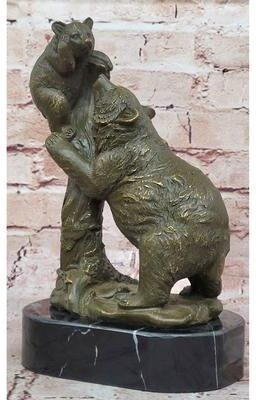
Bronzhaus Running Wolves Dogs Wildlife Bronze Sculpture Statue Decor Signed Original ArtCondition: This sculpture is in a perfect condition Bronze Dimensions with Marble Base: Height 13 inches X Width 18 inches Marble Dimensions:12 inches X 7 inches Height without base:12 inches Weight:30 LBS Inventory:17YDW11213079 Original or...467,49 $*Shipping: 0,00 $Secure redirect to the provider


-
Zoo or wildlife park?
It ultimately depends on personal preference and what one is looking for in a wildlife experience. Zoos typically have a wider variety of animals from all over the world and offer educational programs and conservation efforts. On the other hand, wildlife parks often provide a more natural and spacious environment for the animals, allowing for a more immersive and authentic experience. Both have their own unique benefits, so it's important to consider what kind of experience you are looking for when deciding between the two. **
-
Is wildlife photography a profession?
Yes, wildlife photography can be considered a profession for those who make a living by capturing images of animals in their natural habitats. Professional wildlife photographers often sell their work to magazines, websites, or galleries, and may also lead photography tours or workshops. It requires skill, patience, and dedication to succeed in this competitive field, but for many, it is a rewarding and fulfilling career. **
-
How does noise affect wildlife?
Noise can have a significant impact on wildlife in various ways. It can disrupt communication between animals, making it difficult for them to find mates or warn each other of danger. Noise pollution can also cause stress and anxiety in animals, leading to changes in behavior and decreased reproductive success. Additionally, loud noises can disorient and scare animals, leading to increased risk of injury or death. Overall, noise pollution can have detrimental effects on the health and survival of wildlife populations. **
-
Who pays for a wildlife accident?
The responsibility for paying for a wildlife accident can vary depending on the circumstances. In some cases, if the accident involves a vehicle, the driver's insurance may cover the damages. If the accident occurs on private property, the property owner may be responsible for addressing any damages. In cases where the wildlife accident occurs on public property, the local government or municipality may be responsible for addressing the damages. Ultimately, the responsibility for paying for a wildlife accident will depend on the specific details of the situation and the applicable laws and regulations. **


How does population growth affect wildlife?
Population growth can have a significant impact on wildlife in various ways. As human populations expand, natural habitats are often destroyed or fragmented to make way for urban development, agriculture, and infrastructure. This loss of habitat can lead to a decline in wildlife populations as they struggle to find food, shelter, and breeding grounds. Additionally, increased human activity can result in pollution, poaching, and the introduction of invasive species, all of which can further threaten wildlife populations. Overall, population growth can put pressure on ecosystems and lead to the decline or extinction of many species. **
How are wildlife documentaries actually filmed?
Wildlife documentaries are typically filmed using a combination of techniques such as long-range lenses, hidden cameras, and drones to capture animals in their natural habitats without disturbing them. Filmmakers often spend long periods of time in the field, patiently waiting for the perfect shot. They may also use specialized equipment such as underwater cameras or motion-activated cameras to capture animals in their natural environment. Additionally, some documentaries may use reenactments or staged scenes to illustrate certain behaviors or events that are difficult to capture in the wild. **
Top-Angebote
Products related to Wildlife:
-
MDA Rugs Wildlife Collection Black/Beige Area RugThe beautiful Wildlife collection comes in a variety of patterns and colors perfect for any room. It features 100% solution dyed polypropylene with a wilton woven construction and edge serged finish.205,19 $*Shipping: 0,00 $Secure redirect to the provider
-
Ross Hoddinott & Ben Hall The Wildlife Photography Workshop - Practical Course For Wildlife Watchers - Non Fiction - PaperbackTitle:. Wildlife Photography Workshop, The Condition: BRAND NEW. Format: Paperback. ISBN: 9781907708572 Overview:. Whether you’re a budding wildlife photographer or a seasoned nature watcher looking to sharpen skills, The Wildlife Photography Workshop is your portable field guide. This is a workshop in book form, created by Ben Hall and Ross Hoddinott, two of the UK’s leading natural-history photographers. It invites you to learn by doing, with practical chapters that mirror real-world shooting days. The format allows you to absorb the benefits of a live workshop on your own schedule, on your own terms, and without the cost of travel or tutoring. Inside you’ll find a clear progression from fundamentals—composition, exposure, and understanding light—to more advanced techniques tailored to wildlife subjects. Chapters dedicated to different wildlife types provide hands-on advice on locating subjects, approaching them respectfully, and capturing dynamic images in diverse environments. Expect insider tricks of the trade, field-tested workflows, and checklists that help you prepare, shoot, and review your results. The book is compact and durable for on-location use; at 176 pages, it balances depth with portability, making it a ready-made training companion for weekends in the countryside or coastal hides. Its practical exercises cover camera settings, field craft, and post-processing notes to keep you learning even after you close the cover. What Makes This Book Stand Out:. Where else can you get a 'workshop in a book' from two renowned wildlife photographers who have spent years behind the lens in a range of habitats? This book distills their hands-on approach into a structured, approachable format that beginners can follow and enthusiasts can revisit. Ben Hall and Ross Hoddinott bring not just technical know-how but a storyteller’s eye for light, mood, and animal behavior. The progression from basics to advanced techniques mirrors a field day: plan, observe, adjust, shoot, review. The chapters on different wildlife typologies (birds, mammals, coastal species, and woodland residents) give targeted advice, from concealment and distance to ethical interaction and patience. With practical tasks, checklists, and real-world scenario tips, you’ll learn how to predict movements, maximize natural light, and frame subjects for impact. The compact paperback is designed for travel and everyday use, so you can carry it to a hide, a park, or a beach and apply what you’ve learned in the moment. Who This Book Is Perfect For:. Whether you’re starting out or upgrading your wildlife imagery, this book is for anyone who loves nature and wants to translate moments into compelling photographs. Ideal for beginners seeking practical guidance, hobbyists looking to refine technique, and seasoned shooters wanting a portable refresher, it suits weekend photographers with limited time as well as dedicated hobbyists who enjoy a structured learning path. The book also makes a...99,99 £*Shipping: 0,00 £Secure redirect to the provider
-
Which is the best wildlife conservation organization for animals?
The best wildlife conservation organization for animals is subjective and depends on the specific focus and approach of the organization. Some well-respected organizations include the World Wildlife Fund (WWF), the Wildlife Conservation Society (WCS), and the International Union for Conservation of Nature (IUCN). These organizations work on a global scale to protect and conserve wildlife and their habitats, and each has its own strengths and areas of expertise. It's important to research and consider the specific goals and impact of each organization to determine which aligns best with your values and priorities for animal conservation. **
-
'Forest or wildlife?'
Both forests and wildlife are important components of our ecosystem. Forests provide habitats for a wide variety of wildlife species, while wildlife plays a crucial role in maintaining the balance of the ecosystem. It is essential to protect both forests and wildlife to ensure the health and sustainability of our planet. Conservation efforts should focus on preserving both forests and wildlife to maintain biodiversity and promote a healthy environment for future generations. **
-
Zoo or wildlife park?
It ultimately depends on personal preference and what one is looking for in a wildlife experience. Zoos typically have a wider variety of animals from all over the world and offer educational programs and conservation efforts. On the other hand, wildlife parks often provide a more natural and spacious environment for the animals, allowing for a more immersive and authentic experience. Both have their own unique benefits, so it's important to consider what kind of experience you are looking for when deciding between the two. **
-
Is wildlife photography a profession?
Yes, wildlife photography can be considered a profession for those who make a living by capturing images of animals in their natural habitats. Professional wildlife photographers often sell their work to magazines, websites, or galleries, and may also lead photography tours or workshops. It requires skill, patience, and dedication to succeed in this competitive field, but for many, it is a rewarding and fulfilling career. **
Similar search terms for Wildlife
-
Bronzhaus Running Wolves Dogs Wildlife Bronze Sculpture Statue Decor Signed Original ArtCondition: This sculpture is in a perfect condition Bronze Dimensions with Marble Base: Height 13 inches X Width 18 inches Marble Dimensions:12 inches X 7 inches Height without base:12 inches Weight:30 LBS Inventory:17YDW11213079 Original or...467,49 $*Shipping: 0,00 $Secure redirect to the provider
-
Bronzhaus Signed Original Wildlife Elk Head Bust Bronze Sculpture Figurine Cabin Decor ArtCondition: This sculpture is in perfect condition Bronze Dimensions with Marble Base: Height 22 inches X Width 10 inches Weight:12 LBS Inventory:71YDW1038217 Original or Reproduction: Original This beautiful bronze Deer head wall mount is a stunning…403,99 $*Shipping: 0,00 $Secure redirect to the provider
-
How does noise affect wildlife?
Noise can have a significant impact on wildlife in various ways. It can disrupt communication between animals, making it difficult for them to find mates or warn each other of danger. Noise pollution can also cause stress and anxiety in animals, leading to changes in behavior and decreased reproductive success. Additionally, loud noises can disorient and scare animals, leading to increased risk of injury or death. Overall, noise pollution can have detrimental effects on the health and survival of wildlife populations. **
-
Who pays for a wildlife accident?
The responsibility for paying for a wildlife accident can vary depending on the circumstances. In some cases, if the accident involves a vehicle, the driver's insurance may cover the damages. If the accident occurs on private property, the property owner may be responsible for addressing any damages. In cases where the wildlife accident occurs on public property, the local government or municipality may be responsible for addressing the damages. Ultimately, the responsibility for paying for a wildlife accident will depend on the specific details of the situation and the applicable laws and regulations. **
-
How does population growth affect wildlife?
Population growth can have a significant impact on wildlife in various ways. As human populations expand, natural habitats are often destroyed or fragmented to make way for urban development, agriculture, and infrastructure. This loss of habitat can lead to a decline in wildlife populations as they struggle to find food, shelter, and breeding grounds. Additionally, increased human activity can result in pollution, poaching, and the introduction of invasive species, all of which can further threaten wildlife populations. Overall, population growth can put pressure on ecosystems and lead to the decline or extinction of many species. **
-
How are wildlife documentaries actually filmed?
Wildlife documentaries are typically filmed using a combination of techniques such as long-range lenses, hidden cameras, and drones to capture animals in their natural habitats without disturbing them. Filmmakers often spend long periods of time in the field, patiently waiting for the perfect shot. They may also use specialized equipment such as underwater cameras or motion-activated cameras to capture animals in their natural environment. Additionally, some documentaries may use reenactments or staged scenes to illustrate certain behaviors or events that are difficult to capture in the wild. **
* All prices are inclusive of VAT and, if applicable, plus shipping costs. The offer information is based on the details provided by the respective shop and is updated through automated processes. Real-time updates do not occur, so deviations can occur in individual cases. ** Note: Parts of this content were created by AI.