Buy kidsroom.eu ?
We are moving the project
kidsroom.eu .
Are you interested in purchasing the domain
kidsroom.eu ?
domain@kv-gmbh.de · 0541-91531010
Buy kidsroom.eu ?
What are vineyard snails?
Vineyard snails, also known as grape snails, are a species of snail commonly found in vineyards and other agricultural areas. They are known for their voracious appetite for grape leaves and can cause significant damage to grapevines if left unchecked. Vineyard snails are a particular concern for grape growers, as they can impact the health and yield of grape crops. Measures such as manual removal, natural predators, and chemical control are often used to manage vineyard snail populations. **
Do vineyard snails eat paper?
No, vineyard snails do not eat paper. They are herbivores that primarily feed on plants, fruits, and vegetables. Paper is not a natural part of their diet, so they are unlikely to consume it. If you are experiencing issues with snails eating paper, it is more likely to be a different species of snail or pest. **


Similar search terms for Habit-Coquelicot-Vineyard-Cabernet
Top-Angebote
Products related to Habit-Coquelicot-Vineyard-Cabernet:
-
Cabernet Hofstatter 2023Hofstätter's Cabernet Sauvignon originates in Sudtirol, a region dominated by castles and stately homes, the masi, surrounded by family-owned vineyards that are rooted on plateaus and hillsides at altitudes ranging from 250 meters to 800 meters above sea level. Hofstätter cultivates mainly South Tyrolean varieties that have characterized this area for centuries and express it with great territorialities, such as this elegant red wine. The vineyards that give rise to this Cabernet Sauvignon are spread over two sides of the Adige Valley and, thanks to this particular arrangement, enjoy a unique microclimate, caressed by the cool mountain breeze and perfectly exposed to sunlight. The grapes harvested and brought to the winery are destemmed, pressed and fermented in steel barrels, where they remain with the skins for a short period of about 10 days. Ageing is extended in steel for several months before bottling. The Hofstatter Cabernet red wine stands out to the eye for its brilliant ruby red colour and intense olfactory profile, with scents ranging from red fruit to vegetal and herbaceous hints to spices and chocolate. The palate stands on a synergistic and robust structure, wrapped in a smooth tannic texture and lovely freshness. The lasting, fruity finish entices a new taste. This is a main course red, easily paired with rich meat and roast dishes. One to stock up on!15,00 £*Shipping: 48,00 £Secure redirect to the provider


-
Are slugs homeless vineyard snails?
No, slugs are not homeless vineyard snails. While both slugs and vineyard snails can be found in vineyards, they are two different species. Slugs are gastropods that lack a shell, while vineyard snails are a type of land snail with a coiled shell. Both may be found in vineyards, but they are distinct creatures with different characteristics and behaviors. **
-
What is a vineyard snail?
A vineyard snail, also known as the Burgundy snail or Roman snail, is a species of land snail that is commonly found in vineyards and other agricultural areas. It is known for its distinctive spiral shell and is often considered a pest by grape growers, as it can damage grapevines and consume grape leaves. However, in some regions, vineyard snails are also harvested and used as a culinary delicacy, particularly in French cuisine. **
-
Is my vineyard snail dead?
It is difficult to determine if your vineyard snail is dead without more information. Look for signs of life such as movement, response to touch, and the condition of its body. If the snail is not moving and its body appears dried out or damaged, it may be dead. However, if you are unsure, it is best to consult with a veterinarian or an expert in snail care for a more accurate assessment. **
-
How can one sell vineyard snails?
One can sell vineyard snails by first ensuring they have the necessary permits and licenses to sell food products. Next, they can reach out to local restaurants, gourmet food stores, or farmers' markets to see if there is interest in purchasing the snails. Additionally, they can create an online presence through a website or social media to attract customers who are looking to buy vineyard snails. Lastly, offering samples or hosting tasting events can help showcase the quality and taste of the snails to potential buyers. **

Should one leave vineyard snails alone?
It is generally best to leave vineyard snails alone, as they play a role in the ecosystem and can be beneficial to the soil. They help break down organic matter and contribute to nutrient cycling. Additionally, some species of snails are protected or endangered, so it is important to respect their natural habitat. However, if vineyard snails are causing significant damage to crops, it may be necessary to implement control measures in a targeted and sustainable manner. **
How do I breed vineyard snails?
To breed vineyard snails, you will need to create a suitable environment for them. This includes providing a space with plenty of vegetation and a humid climate. You can also introduce a mating pair of snails to start the breeding process. Ensure that the snails have access to a calcium source for shell development and monitor their environment to ensure it remains suitable for breeding. With the right conditions, vineyard snails can reproduce and increase their population. **
Top-Angebote
Products related to Habit-Coquelicot-Vineyard-Cabernet:
-
Cabernet Maculan 2024The Veneto red Cabernet Maculan is a linear wine that presents the varietal in its classic form. The aromas on the nose are indeed traditional and tell of a soul where the primary scent is embodied by green pepper against a background essentially made up of fruity notes, a prelude to a dry and fresh sip, enlivened by soft and well-crafted tannins. A label that impresses with the excellent quality-price ratio at which it is offered, very interesting! The Cabernet Maculan comes from vineyards located on the Breganze hills. Here, the vines are carefully cultivated by the winery team, growing in a terroir characterized by the presence of volcanic subsoil rich in tuff. The grapes are selected during the manual harvest, and after destemming, the berries proceed to the pressing phase. The must obtained from this operation ferments in stainless steel tanks, with continuous pump-overs. The aging phase takes place first for 12 months in stainless steel tanks and then, once the bottling operations are completed - which do not involve any filtration - for another 6 months in glass. - which do not involve any filtration - for another 6 months in glass. The red wine Cabernet produced by the Maculan winery presents itself visually with a cheerful ruby color, crossed by some slight flashes tending towards purple, visible at the rim. The range of notes that envelops the nose moves on fruity notes and typically varietal references - where the green pepper plays the leading role - alternating with light hazelnut nuances. On the palate, it is medium-bodied, with a truly pleasant refreshing sip, in which the tannic structure is crafted with grace, perfectly integrating into the overall structure of the wine. Delicate and enchanting, it is perfect at the table paired with meat dishes.12,00 £*Shipping: 48,00 £Secure redirect to the provider
-
Riedel Cabernet DecanterThis unique and stylish Riedel Decanter is suitable for allowing Cabernet wines to breathe before serving. The design of the Decanter allows the wine to be served whilst producing the best possible taste and aroma. Each Decanter is machine blown crystal glass and marked with the unique Riedel lettering as a genuine and distinguishing feature. Older wines can be decanted and served almost straight away, whereas newer wines benefit from breathing for longer once in your Decanter. 1.5L capacity. Measures 23cm high and widest part 12.5cm.48,00 £*Shipping: 3,50 £Secure redirect to the provider
-
Cabernet Hofstatter 2023Hofstätter's Cabernet Sauvignon originates in Sudtirol, a region dominated by castles and stately homes, the masi, surrounded by family-owned vineyards that are rooted on plateaus and hillsides at altitudes ranging from 250 meters to 800 meters above sea level. Hofstätter cultivates mainly South Tyrolean varieties that have characterized this area for centuries and express it with great territorialities, such as this elegant red wine. The vineyards that give rise to this Cabernet Sauvignon are spread over two sides of the Adige Valley and, thanks to this particular arrangement, enjoy a unique microclimate, caressed by the cool mountain breeze and perfectly exposed to sunlight. The grapes harvested and brought to the winery are destemmed, pressed and fermented in steel barrels, where they remain with the skins for a short period of about 10 days. Ageing is extended in steel for several months before bottling. The Hofstatter Cabernet red wine stands out to the eye for its brilliant ruby red colour and intense olfactory profile, with scents ranging from red fruit to vegetal and herbaceous hints to spices and chocolate. The palate stands on a synergistic and robust structure, wrapped in a smooth tannic texture and lovely freshness. The lasting, fruity finish entices a new taste. This is a main course red, easily paired with rich meat and roast dishes. One to stock up on!15,00 £*Shipping: 48,00 £Secure redirect to the provider
-
What are vineyard snails?
Vineyard snails, also known as grape snails, are a species of snail commonly found in vineyards and other agricultural areas. They are known for their voracious appetite for grape leaves and can cause significant damage to grapevines if left unchecked. Vineyard snails are a particular concern for grape growers, as they can impact the health and yield of grape crops. Measures such as manual removal, natural predators, and chemical control are often used to manage vineyard snail populations. **
-
Do vineyard snails eat paper?
No, vineyard snails do not eat paper. They are herbivores that primarily feed on plants, fruits, and vegetables. Paper is not a natural part of their diet, so they are unlikely to consume it. If you are experiencing issues with snails eating paper, it is more likely to be a different species of snail or pest. **
-
Are slugs homeless vineyard snails?
No, slugs are not homeless vineyard snails. While both slugs and vineyard snails can be found in vineyards, they are two different species. Slugs are gastropods that lack a shell, while vineyard snails are a type of land snail with a coiled shell. Both may be found in vineyards, but they are distinct creatures with different characteristics and behaviors. **
-
What is a vineyard snail?
A vineyard snail, also known as the Burgundy snail or Roman snail, is a species of land snail that is commonly found in vineyards and other agricultural areas. It is known for its distinctive spiral shell and is often considered a pest by grape growers, as it can damage grapevines and consume grape leaves. However, in some regions, vineyard snails are also harvested and used as a culinary delicacy, particularly in French cuisine. **
Similar search terms for Habit-Coquelicot-Vineyard-Cabernet
-
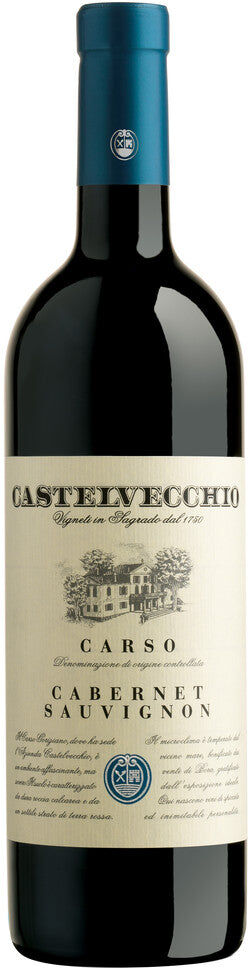
Cabernet Sauvignon Castelvecchio 2023The Cabernet Sauvignon of the Castelvecchio winery is a proud interpretation of an international grape variety that has been able to set very high standards of quality throughout the world and that here, in the Karst region, succeeds in expressing all the power and fullness of its fruit. The predominantly calcareous soil rich in minerals, aided by a climate mitigated by the Bora, a typical wind of the area, allows these grapes to develop such strength and fullness as to produce a wine with splendid ageing capabilities. The Castelvecchio 's Cabernet Sauvignon grapes are the last to be processed compared to all the other vines on the estate. Harvesting in fact begins in mid-October, so that the full ripeness of the fruit of this extraordinary vine can be exploited. Once in the cellar and fermentation has begun, the wine is placed in steel vats for approximately 4 months to complete malolactic fermentation. The Cabernet Sauvignon then spends a year in French and Californian oak barrels and a further 12 months in Slavonian oak tonneaux. The process is completed by an ageing period of 4 to 6 months in the bottle. The Cabernet Sauvignon Castelvecchio presents itself to the glass with rubicund vigour and brown hues, as if anticipating its great aromatic depth. The first breath is pampered by spicy notes of cinnamon and vanilla followed by the sweetness and elegance of cherries in spirit and raspberry. Closing the aromatic mosaic is the mineral note, a true signature of the Karst. When brought to the mouth, this Cabernet Sauvignon opens sincerely, expressing all its warmth and softness. The pleasantly thick structure almost invites chewing that betrays the great persistence of this wine. Full and karstic in its vigour, this interpretation of Cabernet Sauvignon is an excellent companion when enjoyed during a barbecue with friends or savoured on its own while awaiting the first winds of autumn.17,00 £*Shipping: 48,00 £Secure redirect to the provider
-
Cabernet Franc Ampeleia 2023Ampeleia's Cabernet Franc is a successful synthesis of infused fruit and herbs, as well as a streamlined and dynamic interpretation of a Bordeaux varietal. All the vines grow according to the precepts Marco has always held dear, so without the use of chemicals or synthetic substances, with biodynamic agriculture. Genuine tales of terroir, whose watchwords are fine and drinkable. Red Cabernet Franc is made from pure grapes of the vine of the same name from a single vineyard called the vigna dell'Asina. The soil is rich in marl, typical of some areas of Tuscany, and the area is characterized by strong temperature changes that benefit the grapes, creating a perfect microclimate. Extremely low yields and manual harvesting are just the prelude to a winemaking process that involves no artifice, reducing human interventionism to a minimum. The fermentation takes place spontaneously in concrete tanks, the same tanks in which the liquid ages for six months before being bottled. Brief resting in a glass before release. Cabernet Franc wine drops into the glass with a vibrant ruby red colour. With an immediate impact nose, the liquid unfolds from the first olfaction in a succession of aromatic herbs, hints of forest scrub, raspberries and mint. A fresh and inviting profile, difficult to resist. And indeed, a taste is urgently needed, which proves no less convincing than the olfactory part. The fruit is set in a sphere of freshness and matter, always perfectly calibrated. It flows without weight and is a wine of "dangerous" drinkability, given the ease with which the bottle evaporates. More than an everyday wine, it works excellently on multiple preparations for our table.28,00 £*Shipping: 48,00 £Secure redirect to the provider
-
Is my vineyard snail dead?
It is difficult to determine if your vineyard snail is dead without more information. Look for signs of life such as movement, response to touch, and the condition of its body. If the snail is not moving and its body appears dried out or damaged, it may be dead. However, if you are unsure, it is best to consult with a veterinarian or an expert in snail care for a more accurate assessment. **
-
How can one sell vineyard snails?
One can sell vineyard snails by first ensuring they have the necessary permits and licenses to sell food products. Next, they can reach out to local restaurants, gourmet food stores, or farmers' markets to see if there is interest in purchasing the snails. Additionally, they can create an online presence through a website or social media to attract customers who are looking to buy vineyard snails. Lastly, offering samples or hosting tasting events can help showcase the quality and taste of the snails to potential buyers. **
-
Should one leave vineyard snails alone?
It is generally best to leave vineyard snails alone, as they play a role in the ecosystem and can be beneficial to the soil. They help break down organic matter and contribute to nutrient cycling. Additionally, some species of snails are protected or endangered, so it is important to respect their natural habitat. However, if vineyard snails are causing significant damage to crops, it may be necessary to implement control measures in a targeted and sustainable manner. **
-
How do I breed vineyard snails?
To breed vineyard snails, you will need to create a suitable environment for them. This includes providing a space with plenty of vegetation and a humid climate. You can also introduce a mating pair of snails to start the breeding process. Ensure that the snails have access to a calcium source for shell development and monitor their environment to ensure it remains suitable for breeding. With the right conditions, vineyard snails can reproduce and increase their population. **
* All prices are inclusive of VAT and, if applicable, plus shipping costs. The offer information is based on the details provided by the respective shop and is updated through automated processes. Real-time updates do not occur, so deviations can occur in individual cases. ** Note: Parts of this content were created by AI.